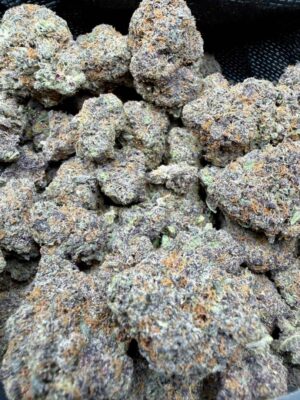
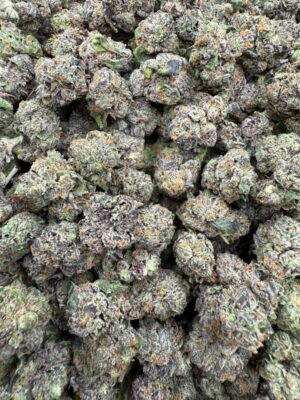
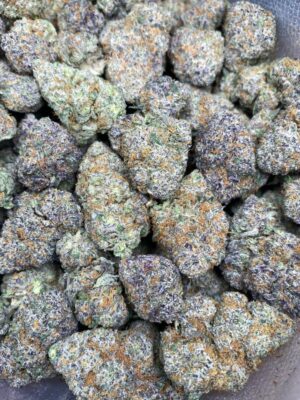
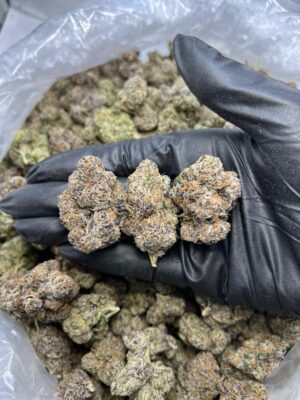
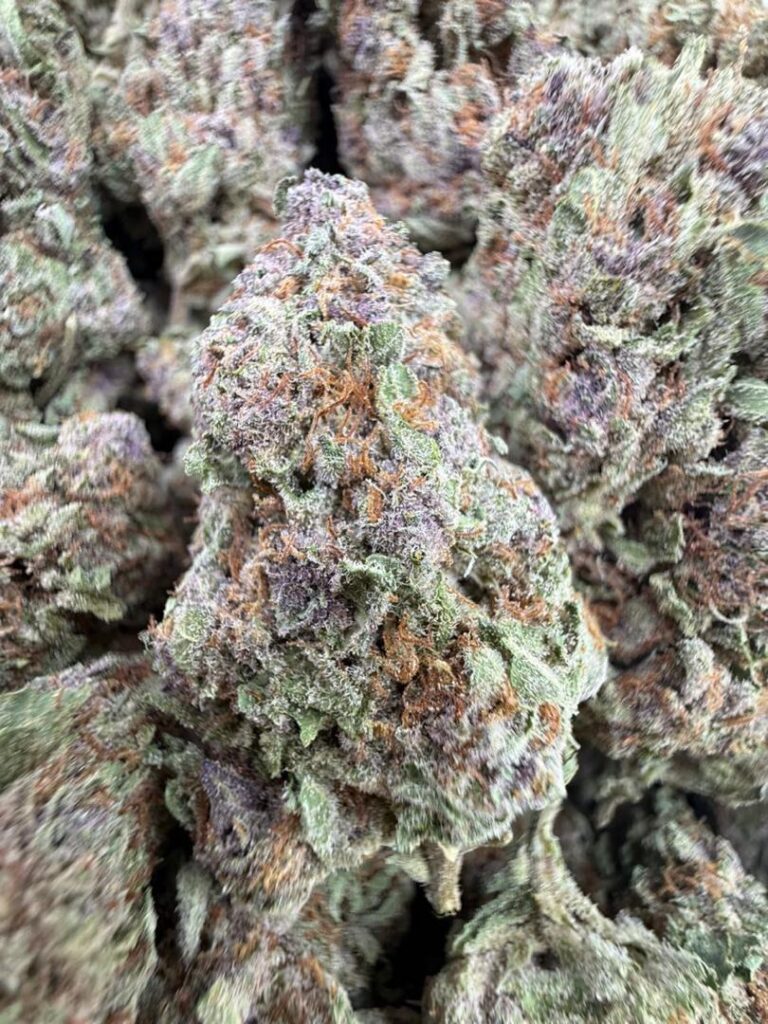
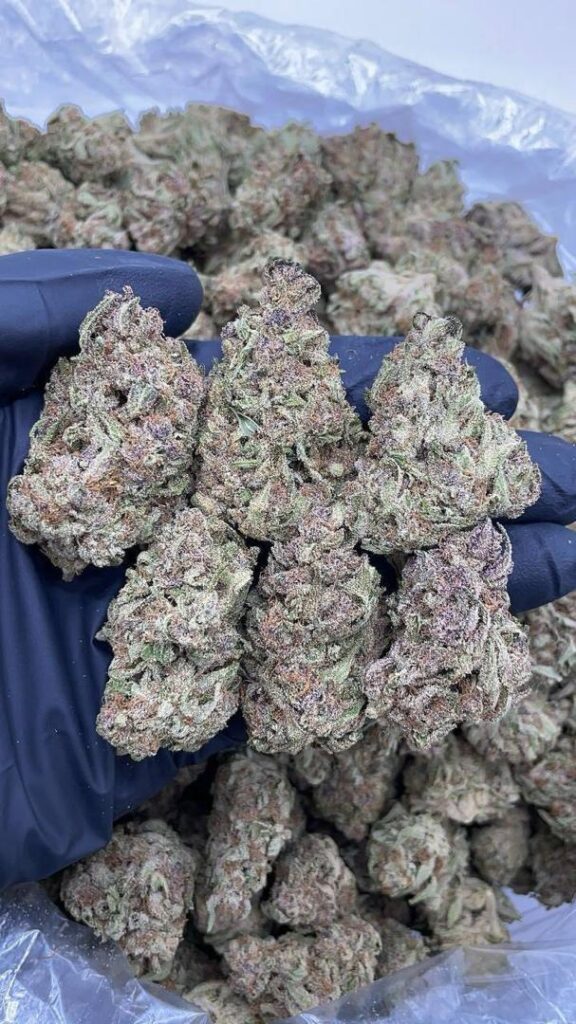
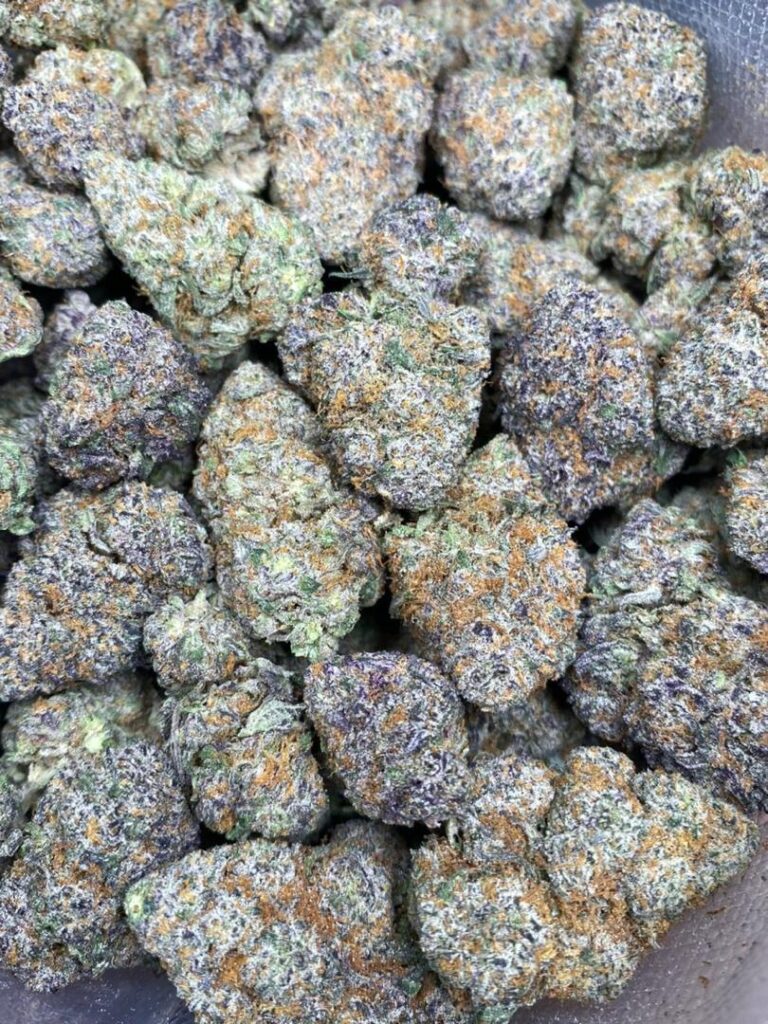
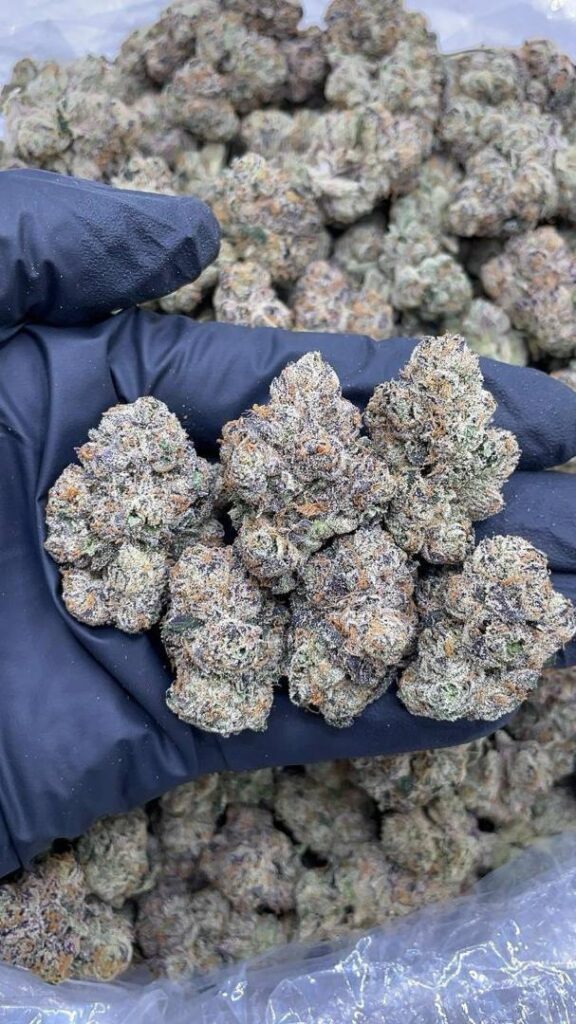
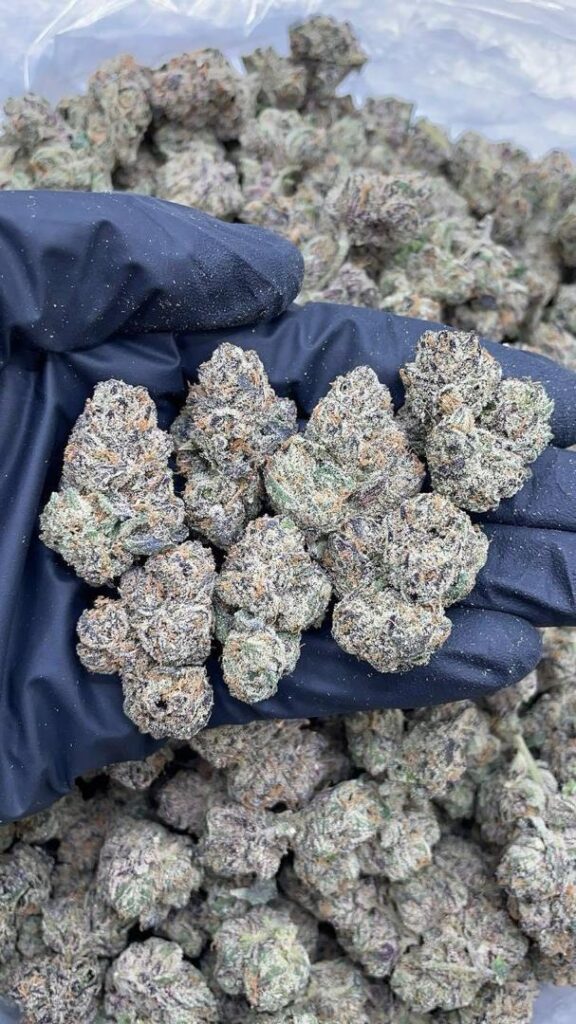
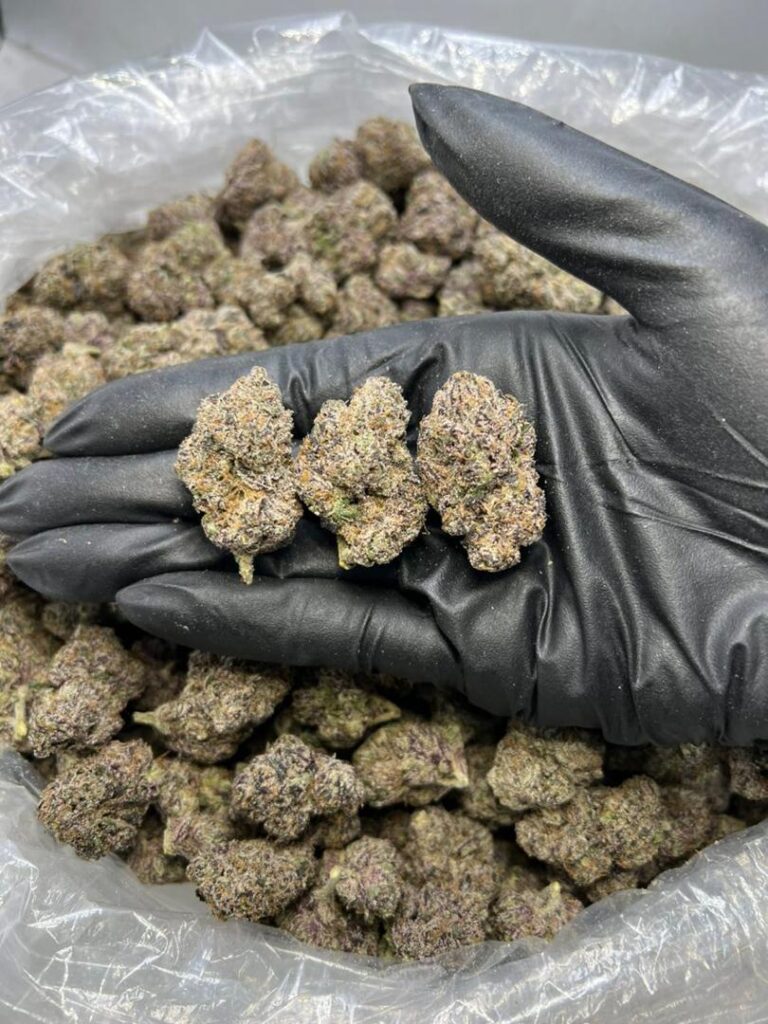
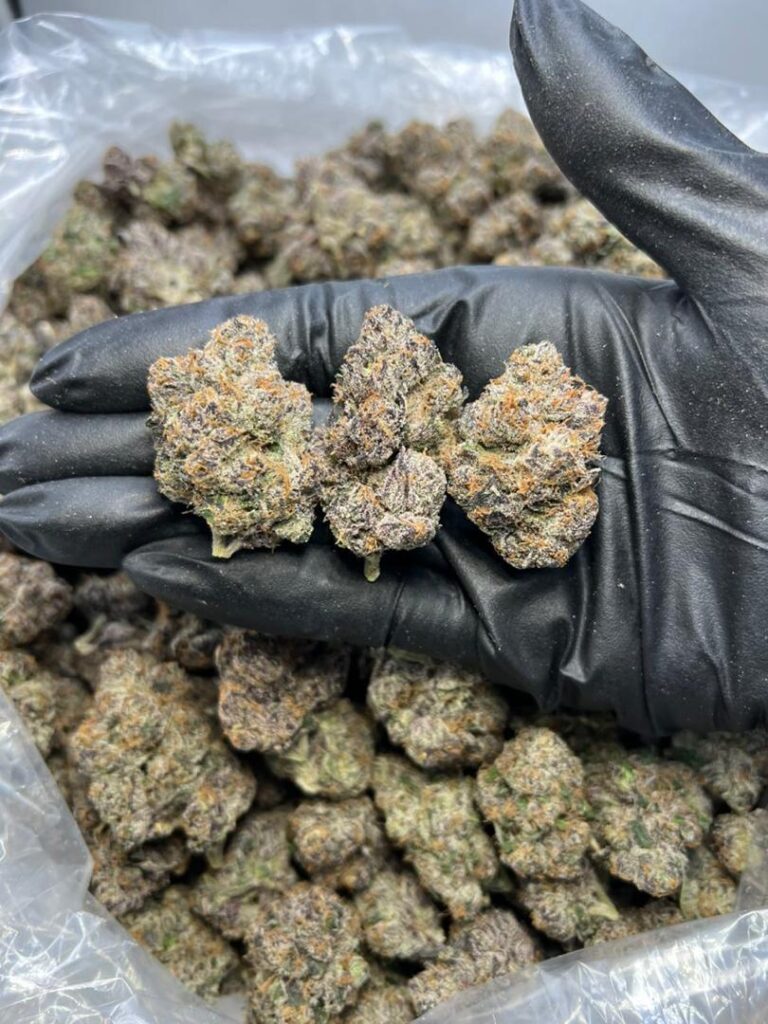
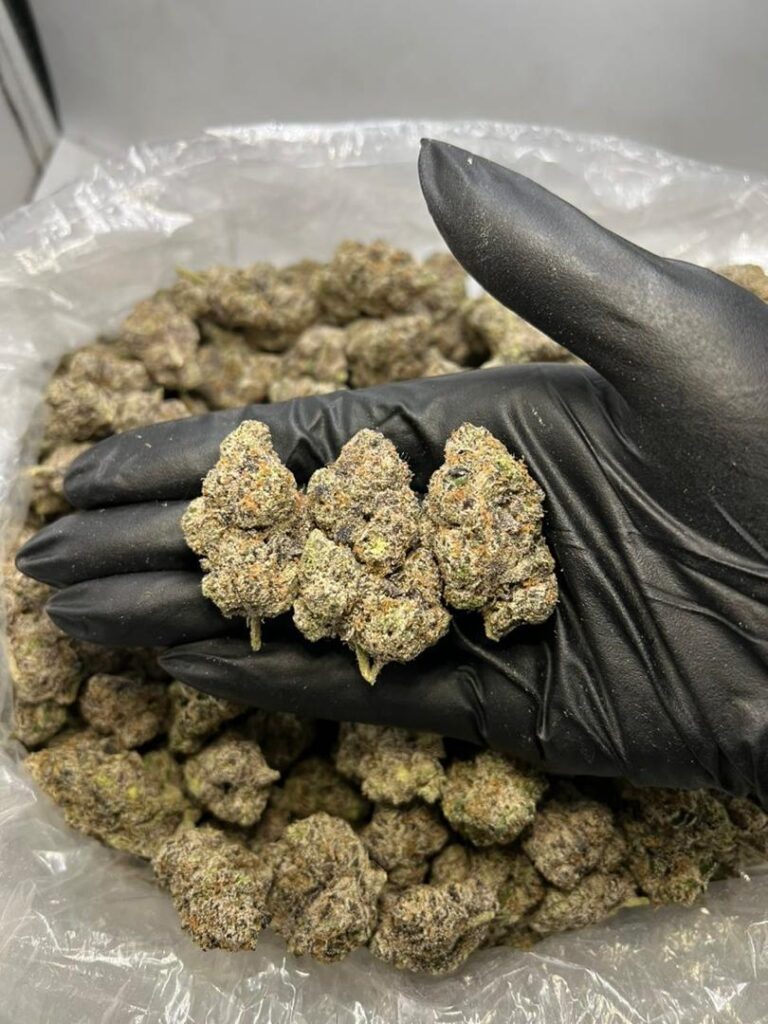
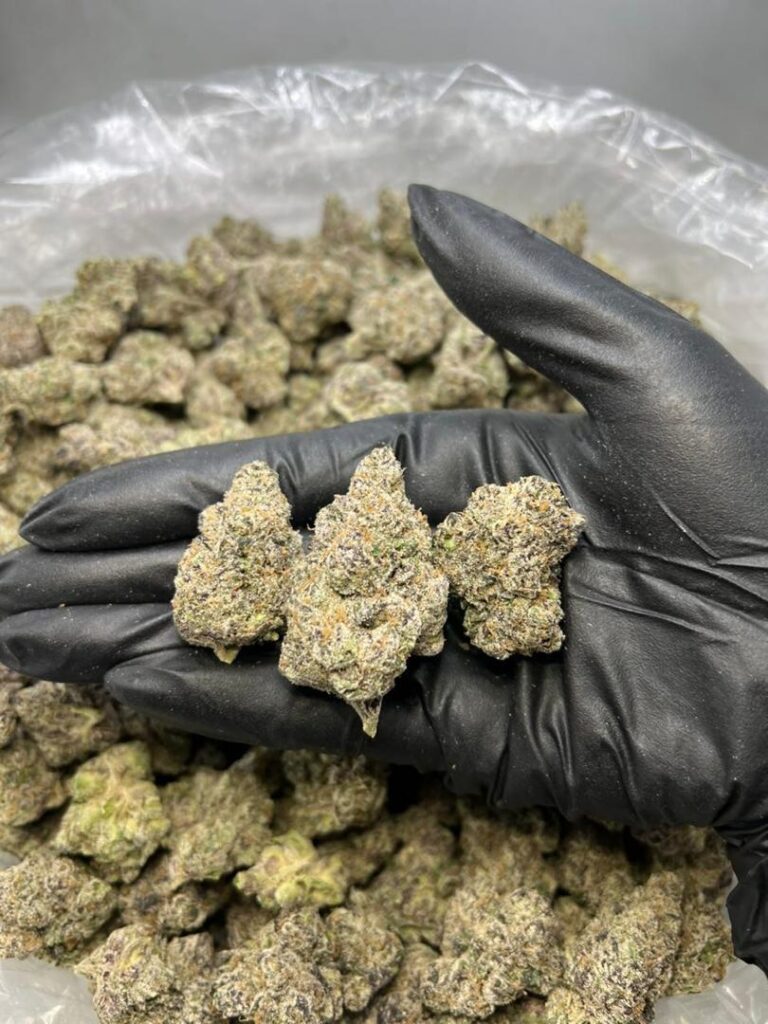
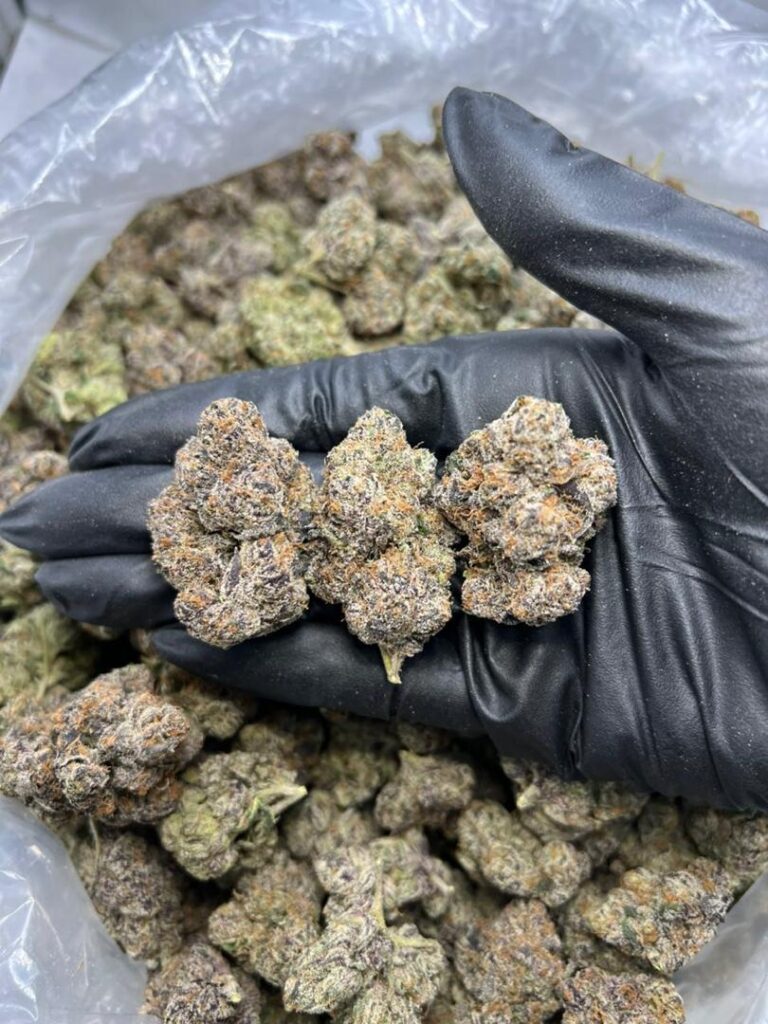
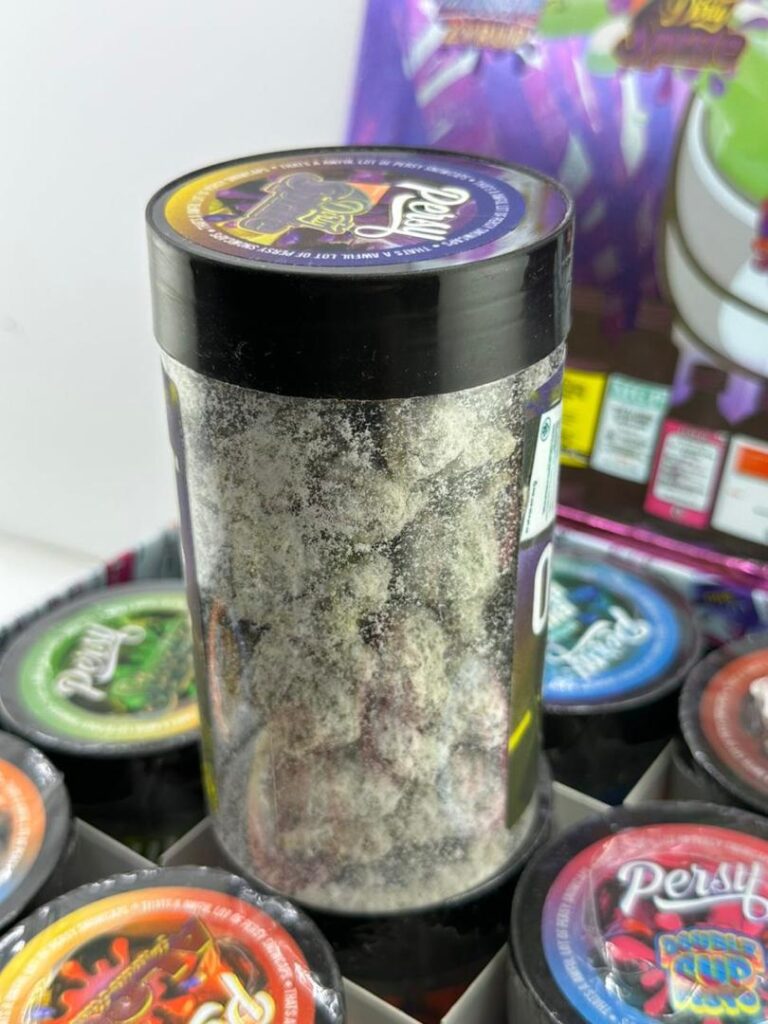
Candy Gas Strain is one of the most talked-about modern hybrid cannabis varieties, prized for its sweet candy aroma layered with bold diesel fuel notes and deeply relaxing effects. If you are researching Candy Gas Strain for medical, recreational, or cultivation purposes, this expert guide breaks down everything you need to know from genetics and terpene profile to real-world benefits and growing tips. Whether you’re a first-time user or an experienced enthusiast, understanding how Candy Gas Strain performs in different settings helps you make an informed decision.
⛽️Candy Gas Strain: Your hybrid heaven gaze 🔥
Best Place To buy candy gas strain and top shelf cannabis and thc products online
Select options
This product has multiple variants. The options may be chosen on the product page
Candy Gas Strain: Lineage, Terpenes, Potency & Full Expert Grow Guide 🍬⛽
If you’ve smelled a jar of candy gas strain flower before, you already know why people stop and ask what it is. It hits you with sugar first, then diesel right behind it. That combination is the whole point, and it’s why this strain has become one of the most searched names in cannabis over the past couple of years.
But here’s something most articles about the candy gas strain won’t tell you upfront: there isn’t one single, universally agreed-upon version of it. 🍬⛽ Different breeders, different dispensaries, and different seed banks all use the name “Candy Gas” for genetics that aren’t identical. That’s not a red flag. It’s just how a lot of modern “designer” cannabis names work. This guide walks through what’s actually documented, where the confusion comes from, and everything else you’d want to know before you grow it, buy it, or smoke it.
Candy Gas Strain Lineage, Genetics, and Breeder History
Where the Candy Gas Strain Name Comes From
“Candy gas” started as more than a strain name. It’s also a flavor category. Breeders and terpene researchers use it to describe any cannabis cultivar that combines dessert-sweet top notes (usually from limonene and ocimene) with a sharp, fuel-like backbone (usually from caryophyllene and trace sulfur compounds). TerpeneBeltFarms puts it simply: candy gas is a flavor category, not a single strain, and strains like Runtz, Gelato 41, Zkittlez, and Cherry Pie all sit somewhere on that sweet-to-gas spectrum.
So when people search “candy gas strain,” they’re usually looking for one of two things: a specific named cultivar that carries “Candy Gas” as its actual product name, or the broader style of sweet-and-fuel hybrids the name has come to represent. This guide covers the specific cultivar in depth, since that’s what most buyers actually want to know about.
The Two Genetic Lines Behind the Candy Gas Strain
Here’s the honest answer, and it’s worth sitting with for a second. Weedmaps states it plainly: there is some dispute over the origins of this strain. Most sources point to one lineage. A smaller but still credible group points to a second, completely different one.
Line one: Kandy Kush × OG #18, bred by Crockett Family Farms. This is the version cited by Leafly, SeedFinder, and most seed retailers selling it as “Gas Candy” feminized seeds. It’s listed as part of Crockett’s “Heritage Collection” line.
Line two: Bacio Gelato (a Gelato 41 phenotype) × Runtz, bred by Grounded Genetics. According to Grounded Genetics’ own product listing, the breeder reversed a Bacio Gelato clone to get male pollen, then used that pollen on a Runtz cut to create their version of Candy Gas.
Both lineages show up under the same name on dispensary menus, which means the candy gas strain you buy in one city might genetically be a different plant than the one sold under the same name three states over. Herb, Art-Sheep, and Bulk Cannabis all confirm the same split, and some retailers even note that individual Gas Candy phenotypes carry traces of both, since Gelato and Runtz genetics have worked their way into a lot of modern OG-line breeding projects.
A few seed retailers list other parentage entirely, including one that names Mac N Jack as a parent. That listing also admits its own flavor and effect data are unverified, which is a sign of low-quality, copy-paste product content rather than an actual third lineage worth taking seriously. When you’re researching this strain yourself, stick to sources that name Crockett Family Farms or Grounded Genetics specifically. Anything vaguer than that is probably reselling a template.
Complete Genetics: Kandy Kush, OG #18, and the Gelato-Runtz Line
To really understand the candy gas strain, it helps to know its parents.
Kandy Kush is an OG Kush phenotype known for a sweet, almost fruity candy smell layered over the classic Kush fuel funk. It’s the “candy” half of the Crockett Family Farms cross.
OG #18 is a specific OG Kush cut with deep roots in California’s early legal medical market. A grower discussion on Rollitup notes that OG #18 genetics were harder to find in clean seed form after around 2012, which is part of why the Crockett Family Farms “Heritage Collection” re-releases of this cross got attention from longtime growers when they came out. This is the “gas” half of the pairing.
Bacio Gelato, used in the Grounded Genetics version, is a Gelato 41 phenotype known for a creamy, hazelnut-ice-cream aroma with heavy resin production.
Runtz needs no introduction at this point. It’s one of the most recognizable dessert-forward hybrids of the past several years, and it’s part of the reason “candy” became such a dominant flavor trend in cannabis breeding in the first place.
As for the breeders themselves: Crockett Family Farms was founded in 2009 by Dave Crockett, a third-generation grower whose family has worked cannabis in California’s Sierra Nevada foothills since long before legalization. According to Leaf Magazines, the farm is known for developing Tangie, Strawberry Banana, Clementine, and several other award-winning cultivars, and High Times has recognized Crockett as one of the world’s top cannabis breeders for that body of work. In 2019, Cannabis Business Times reported that DNA Genetics acquired Crockett Family Farms, bringing Dave Crockett on as VP of Cannabis Operations. DNA Genetics itself is described in its own press materials as rooted in Los Angeles, founded in 2004. So the Kandy Kush × OG #18 genetics behind the candy gas strain now sit under a Los Angeles-rooted genetics company, even though the original farm itself is based in California’s Central Valley, not LA proper. We’ll come back to this connection in the cultivation section.
Is Candy Gas Strain Sativa or Indica?
Short answer: it’s a hybrid, and depending on which lineage and which source you check, it leans slightly one way or the other.
Leafly and SeedFinder both list the Crockett Family Farms version as a true 50/50 hybrid. Herb’s 2026 guide, which pulls together more recent grower and dispensary data, describes it as an indica-leaning hybrid instead. Grounded Genetics describes their Bacio Gelato × Runtz version as equal parts indica and sativa genetics as well.
In practice, this means candy gas strain doesn’t behave like a pure sativa or a pure indica in either direction. It’s not the wired, can’t-sit-still kind of sativa high, and it’s not a heavy couch-lock indica either. Most user reports describe a head-first lift that eventually settles into a relaxed body feel, which is a pretty textbook balanced-hybrid pattern rather than a strong lean either direction. 🌓 If a menu or label tells you it’s “indica dominant” or “sativa dominant,” take that with a grain of salt. It likely reflects the specific phenotype and grower, not a fixed, universal fact about the cultivar.
Below is batch details from our most recent harvest and testing;
Batch 1 – Candy Gas Strain (LOS ANGELES SC Labs Regulatory COA)
Product: Candy Gas Strain Flower (Inhalable) COA Issued: September 9, 2026 Sample ID: 276309T014 COA ID: 276309P004-001
Batch Details
Field
Value
Batch Number
WPOK-CG-002
Batch Size
56,700 g
Date Collected
June 9, 2026
Date Received
June 9, 2026
Sample Size
80 g
Moisture
12.0%
Total THC
26.97%
Total CBD
0.1047%
Total Cannabinoids
33.48%
Sum of Cannabinoids
37.81%
That complexity is of the hybrid is what makes it popular. This guide breaks down the real genetics behind the candy gas strain, the full expert terpene breakdown, verified potency data, how to grow, and what Los Angeles’s top-tier indoor cultivators are actually producing.
Candy Gas Strain THC, CBD, and Full Cannabinoid Profile
This is the section where source disagreement matters most, so let’s lay out exactly what’s reported and where the numbers come from.
THC:Leafly lists Gas Candy at 20% THC. Herb’s more recent guide puts it in the “low-to-high 20s.” Grounded Genetics describes their cut as “well over 20%.” And a THCA flower listing from Terp THCA shows a specific batch tested at 35% THCA. That last number needs context: THCA is the raw, acidic form of THC found in the plant before you apply heat. It reads higher than a decarboxylated THC percentage because of the molecular weight difference, so a 35% THCA flower doesn’t translate directly to 35% “high-causing” THC once you smoke it. We’ll explain the actual math for that conversion in the COA section below.
Putting it together honestly: most reputable sources put candy gas strain flower somewhere in the low-to-mid 20% THC range, with some individually selected phenotypes and THCA-flower batches testing meaningfully higher. If you see a listing claiming 35%+ THC (not THCA), be skeptical. That’s an unusually high number for this genetic line and worth double-checking against the actual COA rather than taking the label’s word for it.
CBD: Several seed retailers, including Crop King Seeds and Mary Jane’s Garden, list around 2% CBD. Other strain guides describe CBD as under 1%, which is more typical for a THC-dominant hybrid like this. The truth is probably somewhere in between depending on the specific plant and growing conditions, and it’s low either way. If you’re specifically looking for a strain with meaningful CBD content for a non-intoxicating experience, candy gas strain isn’t the right pick. It’s built around THC.
Other cannabinoids: No source currently reports detailed CBG, CBN, or CBC numbers for candy gas strain specifically. That’s not unusual. A lot of consumer-facing strain pages only report THC and CBD, even when a full lab panel technically includes more. If minor cannabinoid content matters to you, your best move is to look up the actual COA for the specific batch you’re buying rather than relying on general strain pages, since minor cannabinoid levels shift more from batch to batch than THC does.
Candy Gas Strain Aroma and Flavor Profile
What Candy Gas Strain Smells Like
Crack open a jar of candy gas strain and the first thing you’ll notice is how loud it is. A Leafly reviewer described it as hitting you in the face the second the jar opens, with a “super loud sweet candy smell mixed with that heavy gassy backend.” Weedmaps attributes this to heavy limonene and caryophyllene content, giving the flower a funky fruit and hazelnut aroma.
Common scent notes reported across multiple sources include sweet candy, ripe berries, citrus zest, creamy vanilla or hazelnut, and diesel or fuel underneath it all. 👃 One strain guide describes fresh candy gas strain as smelling “like a fruit stand parked next to a gas station,” which is honestly one of the more accurate one-line descriptions out there.
Candy Gas Strain Flavor Profile: A Taste Review
The flavor tends to follow the nose pretty closely, which isn’t always true of cannabis (some strains smell one way and smoke completely differently). Expect a sweet, sugary inhale, sometimes described as citrus candy or berry chew depending on the specific phenotype. As the smoke or vapor moves across your palate, the peppery spice of caryophyllene and the woody edge of humulene start to show up. The exhale is where the “gas” part earns its name: a clean, diesel-forward finish, sometimes with a faint rubber or asphalt note that fans of OG-lineage strains will recognize immediately.
One thing worth knowing: how well this flavor comes through depends a lot on cure quality and storage. Fresh, well-cured candy gas strain flower shows off both sides of the profile clearly. Flower that’s been sitting around too long, or stored somewhere warm, tends to lose the bright top notes first, leaving mostly the gas and losing the candy. If a batch tastes flat or one-dimensional, storage (not genetics) is usually the reason. More on that later in this guide.
Los Angeles Cultivators and the California Grow Cycle for Candy Gas Strain
California is central to this strain’s story, even though the picture is a little more complicated than “grown in LA.”
Crockett Family Farms, the breeder most commonly credited with the Kandy Kush × OG #18 cross, actually operates out of California’s Central Valley, not Los Angeles itself. But the Los Angeles connection is real: in 2019, Crockett Family Farms was acquired by DNA Genetics, a cannabis genetics company rooted in Los Angeles since its founding in 2004. So the genetics behind the most commonly cited version of candy gas strain now sit under an LA-based company’s umbrella, even if the original cultivation happened elsewhere in the state.
California’s climate is a big part of why OG and Kush-lineage genetics like this one thrive here in the first place. GrowDiaries specifically notes that Gas Candy prefers a warm, dry climate, which describes most of California’s cannabis-growing regions pretty well, especially the Central Valley and inland Southern California.
For outdoor and greenhouse cultivators in California, the grow cycle generally looks like this: seedlings or clones go into the ground in spring, typically March through May. Full-sun outdoor plants then flower naturally as daylight hours shorten in late summer, with most of the state’s outdoor harvest concentrated in October, a period the industry has nicknamed “Croptober.” Between 70% and 85% of outdoor cannabis crops nationwide finish during that October window, though some strains finish earlier in September or later into November depending on genetics.
Given that seed retailers list candy gas strain’s Crockett Family Farms line as typically finishing outdoors in September, it tends to be a slightly earlier finisher than a lot of the crop that fills out that broader October window. The Grounded Genetics version, by contrast, is listed as finishing in early-to-mid October. That’s a meaningful difference if you’re planning an outdoor grow around California’s weather, since finishing three to four weeks earlier can mean avoiding the first fall rains that sometimes hit Northern California growing regions.
Many California cultivators also use a technique called light deprivation, or “light dep,” to control timing more precisely. Growers cover greenhouse plants with blackout tarps for 12 hours a day to trick them into flowering earlier than they would under natural fall daylight. This lets farms squeeze in multiple harvests a year instead of just one, and it’s become especially common in craft cannabis regions like Humboldt and Mendocino since the technique first took off there in the 1990s. 🌱 It’s a useful option for candy gas strain growers in California who want more control over exact harvest timing, though it’s not required, just an option experienced growers reach for.
Full Expert Grow Guide for the Candy Gas Strain
Growing candy gas strain isn’t beginner-friendly. GrowDiaries flags it directly as “a difficult strain to get right.” That doesn’t mean it’s impossible for a newer grower, but it does mean you should go in with realistic expectations and solid ventilation.
Week-by-Week Candy Gas Strain Growing Guide
Weeks 1-2 (Germination and seedling): Seeds typically sprout within 3 to 7 days in warm, moist conditions. Once the seedling has its first true leaves, keep humidity moderate (around 65-70%) and light gentle, since young plants can stress easily under intense light.
Weeks 3-6 (Vegetative growth): This is where candy gas strain builds its structure. Given its relatively compact final height (most seed retailers list a mature height of around 4 feet or under, both indoors and outdoors), you have some flexibility with training. Low-stress training or a simple topping around week 4 can help even out the canopy, since this strain doesn’t stretch dramatically on its own.
Weeks 7-8 (Transition to flower): If you’re growing indoors, this is when you’d switch your light cycle to 12/12 to trigger flowering. Outdoors in California, this transition happens naturally as daylight hours shrink, usually kicking in around August.
Weeks 9-11 (Early to mid flower): Bud sites start forming and the smell intensifies fast. This is the point where GrowDiaries’ warning about ventilation really matters. Candy gas strain’s aroma gets strong well before harvest, so indoor growers need real odor control (a carbon filter, not just an open window) if this isn’t something you want the whole building to smell.
Weeks 9-10 for the Crockett line / Weeks 11-13 for the Grounded Genetics line (Late flower): This is where the two lineages genuinely diverge on timeline. The Kandy Kush × OG #18 line finishes flowering around 59 to 70 days from the start of flower, according to a combination of GrowDiaries (59 days) and multiple seed retailer listings (6 to 8 weeks, roughly 42-56 days, though some list up to 70). The Bacio Gelato × Runtz line from Grounded Genetics runs longer, at 8 to 9 weeks (56-63 days). Watch trichomes under a loupe rather than relying purely on the calendar. Cloudy trichomes with a light amber mix generally signal peak ripeness for this kind of hybrid.
Harvest week: Outdoor harvest for the earlier-finishing line typically lands in September, while the later-finishing line runs into early-to-mid October. Cut, then move straight into a slow dry (around 60-65°F and 50-60% humidity for 7-14 days) followed by a cure in sealed jars for at least two to four weeks. Given how much this strain’s reputation rests on aroma and flavor, rushing the cure is probably the single biggest way to waste good genetics. Burp your jars daily for the first week or two to release excess moisture without drying the buds out.
Indoor Yield vs Outdoor Yield for Candy Gas Strain
Yield numbers vary by lineage and grower skill, but here’s what’s reported:
For the Kandy Kush × OG #18 line, multiple seed retailers (Crop King Seeds, SunWest Genetics, Mary Jane’s Garden) cite indoor yields around 400-500 grams per square meter, and outdoor yields up to roughly 600 grams per plant under good conditions.
For the Bacio Gelato × Runtz line, Grounded Genetics reports notably higher numbers: over 600 grams per square meter indoors, and over 800 grams per plant outdoors under optimal conditions.
That’s a real gap, and it’s worth knowing before you buy seeds expecting one result and getting genetics built for a different one. If yield is your top priority as a grower, the Grounded Genetics line has the better numbers on paper. If a shorter flowering time and a slightly earlier outdoor finish matter more to you, the Crockett Family Farms line has the edge there instead. 📊
Candy Gas Strain Effects: Recreational High and Real User Experience
What the Candy Gas Strain High Actually Feels Like
Here’s what people consistently describe, pulled from grower diaries, dispensary reviews, and strain guides across multiple independent sources.
The onset tends to come on within a few minutes of smoking or vaping, faster than edibles obviously, and starts with a head-first lift. Users describe this early phase as euphoric, mentally clear, and sociable, sometimes with a noticeable mood boost. HighThere specifically calls out an “energetic kick” and “uplifted mood” as common early effects, which fits the hybrid classification.
From there, the body effects build in gradually rather than hitting all at once. Expect muscle relaxation and a settling, calm physical feeling that doesn’t necessarily knock you flat. One Leafly reviewer described it well: “a solid head change at first, then melted into a relaxed body high without completely knocking me out.” That’s a pretty representative summary of what most users report.
At higher doses, or with less experienced consumers, the body relaxation can tip into heavier sedation and, per GrowDiaries, possible side effects including dry mouth, dry eyes, and mild anxiousness or dizziness for some users. This tracks with what you’d expect from a THC-forward hybrid in the low-to-mid 20% range.
Real User Experience With the Candy Gas Strain
Real reviews tend to circle back to the same handful of points. People consistently praise the aroma and flavor first, before even mentioning effects, which says a lot about why this strain built its reputation in the first place. One reviewer noted the buds were “dense, sticky, and coated in trichomes with some really nice color throughout,” and specifically called out being surprised by how much they liked a 50/50 hybrid, since balanced hybrids don’t always stand out as strongly as strains that lean harder one direction.
On the medical and wellness side, users report using candy gas strain for stress, mild anxiety, low mood, and general tension relief, generally favoring afternoon-to-evening use over early morning, since the body relaxation phase can make focused daytime tasks harder as the high progresses.
Medical Uses of the Candy Gas Strain (Carefully Qualified)
This section needs a clear disclaimer up front: none of this is medical advice, and none of it comes from clinical research specific to this strain. 🩺 No cannabis strain, including candy gas strain, has been studied in controlled clinical trials for treating any specific condition. What follows is a summary of anecdotal, user-reported patterns pulled from strain review platforms, not a set of medical claims.
With that said, here’s what users commonly report:
Stress and mood. The early euphoric, uplifting phase is the most consistently reported effect across sources, and it’s the reason this strain shows up often in “good for stress” or “good for mood” strain lists.
Muscle tension and general physical relaxation. The body-relaxation phase that follows the initial head high is frequently mentioned in connection with unwinding after physical exertion or a stressful day.
Appetite. Some users report increased appetite, which is a commonly reported effect of THC-forward strains generally, not something unique to this specific cultivar.
Sleep support at higher doses. A handful of sources mention this, though it’s worth noting that this strain’s early effects lean stimulating and social rather than sedating, so it’s not typically marketed as a dedicated nighttime or sleep strain the way something myrcene-heavy and indica-dominant would be.
If you’re considering cannabis, including candy gas strain, to help manage a specific health condition, talk to a doctor familiar with your medical history first, especially if you’re on other medications or managing a chronic condition. Anecdotal reports from strain review sites are not a substitute for that conversation.
Pros and Cons of the Candy Gas Strain
Pros:
🍬 Genuinely distinctive, layered aroma and flavor that lives up to the hype for most users
Balanced hybrid effects that work for a range of settings, not just couch-locked evenings
Reasonably compact plant size, making it manageable in smaller grow spaces
Two well-documented, reputable breeder lineages to choose from depending on your priorities (yield vs. flowering speed)
Dense, resin-heavy bud structure that photographs and cures well
Cons:
⚠️ Genetic inconsistency between vendors selling under the same name, so you can’t always be sure exactly what you’re getting
Described as a genuinely difficult strain to grow well, not ideal for total beginners
Strong, distinct odor during flowering that requires real ventilation and odor control indoors
THC-forward with very little CBD, so it’s not a fit if you want a more balanced or mellow cannabinoid ratio
Reported potential for anxiousness or dizziness in sensitive users, especially at higher doses
Is Candy Gas Strain Right for You?
This comes down to matching the strain’s actual reported profile to what you’re looking for, rather than just going off the name and the hype. 🎯
Candy gas strain is probably a good fit if: you enjoy strong, complex flavor as a real part of the experience (not just an afterthought), you want a hybrid that works across a range of situations rather than one that only fits a specific time of day, you’re an experienced consumer comfortable with THC in the low-to-mid 20% range, and you don’t mind doing a little homework on which specific lineage or batch you’re buying.
Candy gas strain is probably not the right fit if: you’re new to cannabis or have low THC tolerance, since a strain in this potency range can be a rough starting point. It’s also not ideal if you’re specifically looking for CBD-forward or low-THC products, if you’re sensitive to anxiety or racing thoughts from THC (the head-first onset can amplify this for some people), or if you need a dedicated sleep strain, since the early effects lean more social and uplifting than sedating.
If you fall into that second group, that’s not a knock on the strain. It just means a different cultivar, maybe something myrcene-dominant and indica-leaning, or a lower-THC hybrid, would probably serve you better.
How to Read a Candy Gas Strain COA in Under a Minute
Whether you’re buying candy gas strain flower, a vape, or an extract, the Certificate of Analysis (COA) is the actual source of truth, more reliable than any strain guide, including this one. Here’s how to scan one fast.
1. Check the header first. Look at the report date, the testing lab’s name, and the batch or lot number. ACS Laboratory’s guide recommends starting here specifically because this section confirms you’re looking at results for the actual product in your hand, not a generic or outdated report. The batch number on the COA needs to match the batch number on your packaging. If it doesn’t, the COA is irrelevant to what you’re holding.
2. Confirm the lab is independent.Cannigma’s guide points out that the testing lab should not be the same company that grew or manufactured the product. Independence is what makes the results trustworthy in the first place.
3. Scan the cannabinoid table. You’ll typically see THCA, THC (delta-9), CBDA, CBD, and sometimes minor cannabinoids like CBG, CBN, or CBC listed by percentage. Most COAs also calculate Total THC and Total CBD for you. If not, the math is simple: Total THC equals THCA multiplied by 0.877, plus THC. That 0.877 factor accounts for the weight lost when THCA converts to THC under heat.
4. Look for the contaminant panels. According to New Jersey’s Cannabis Regulatory Commission, licensed labs are required to test for pesticides, heavy metals, and microbial contaminants like mold and bacteria, in addition to potency. A complete, trustworthy COA should show results (not just blank spaces) for these categories, with an overall “Pass” status.
5. Check the terpene panel, if included. Not every state requires terpene testing, but when it’s there, it’s genuinely useful. For candy gas strain specifically, you’d expect to see limonene and caryophyllene as the leading terpenes, sometimes with myrcene close behind, based on the aroma profile discussed earlier in this guide.
That’s really it. Header, lab independence, cannabinoids, contaminants, terpenes. Five things, under a minute, and you’ll know more about what’s actually in the product than most casual buyers ever check. 🧪
Strains Like Candy Gas (Similar Strains)
If you like candy gas strain, a few other cultivars sit in similar aromatic and effect territory, depending on which side of its profile you’re chasing.
Runtz shares the dessert-sweet, candy-forward side of the profile, and it’s a literal genetic contributor to the Grounded Genetics version of candy gas strain.
Gelato 41 (and Bacio Gelato specifically) brings that same creamy, hazelnut-adjacent sweetness, again with a direct genetic link to one of the two candy gas strain lineages.
Zkittlez leans harder into fruity candy territory with less gas underneath, a good pick if you love the sweet side of candy gas strain but want less fuel funk.
OG Kush and Kandy Kush specifically deliver the gas-forward, Kush-family side of the profile without as much sugary sweetness on top, useful if you want to understand where the “gas” half of candy gas strain’s character actually comes from.
Sour Diesel and other classic diesel-forward strains represent the pure gas end of the spectrum, with little to no candy sweetness, a solid comparison point if you want to isolate exactly what the “gas” descriptor means on its own.
Candy Gas Strain vs Other Strains
Compared to a pure diesel strain like Sour Diesel, candy gas strain trades some of that sharp, single-note fuel intensity for a more layered, sweeter overall profile. If you find straight diesel strains harsh or one-dimensional, candy gas strain is a more approachable middle ground.
Compared to a pure dessert strain like straight Zkittlez, candy gas strain brings more weight and complexity to the exhale thanks to its OG or Gelato-line genetics. Zkittlez lovers who want something with a little more backbone often land on candy gas strain as a natural next step.
Compared to a classic Kush strain like straight OG Kush, candy gas strain is noticeably sweeter up front, which makes it more accessible to people who find traditional OG flavor too heavy or medicinal-tasting on its own.
Candy Gas Strain vs Other Hybrid Strains
Within the broader hybrid category specifically, candy gas strain stands out less for extreme potency (plenty of modern hybrids test higher) and more for how well-matched its aroma and effects are to each other. A lot of hybrids smell like one thing and hit like something else entirely. Candy gas strain’s sweet-then-gas smell tracks closely with its head-then-body effect pattern, sweet and light first, heavier and more grounded as it goes, which makes the overall experience feel more cohesive than many hybrids manage.
Compared to other balanced 50/50 hybrids generally, candy gas strain also benefits from a more distinctive, recognizable identity. A lot of “balanced hybrids” are pretty forgettable in terms of flavor. Candy gas strain isn’t one of them, which is a big part of why it’s built the following it has.
Candy Gas Strain Buying Guide: Where to Buy Online
Since candy gas strain circulates under two different genetic lineages and a name that some low-quality sellers slap on unrelated genetics, buying smart here matters more than it does for a strain with one clean, undisputed lineage.
If you’re buying flower or THCA products: Look for retailers who list the specific breeder lineage (Crockett Family Farms or Grounded Genetics) rather than just the name “Candy Gas” with no backing details. Retailers like Terp THCA and Asheville Dispensary both name Crockett Family Farms directly and publish batch-specific details, which is the standard you want to look for. Always ask for or check the COA before buying, using the steps above.
If you’re buying seeds to grow your own: Decide which lineage fits your goals first (faster finish vs. bigger yield, covered in the grow guide above), then buy from a retailer that names the correct breeder. SeedsHereNow carries the official Crockett Family Farms Gas Candy line. For the Grounded Genetics Bacio Gelato × Runtz version, Linda Seeds carries it directly from the breeder’s catalog. Other seed retailers, including Crop King Seeds, SunWest Genetics, Mary Jane’s Garden, and Rocket Seeds, also carry versions of this cross, generally reselling the Crockett Family Farms genetics.
A general rule: only buy cannabis products, in any form, from licensed retailers in states or countries where it’s legal, and confirm the seller can actually ship to your location before you order. Laws vary significantly by state and country, and it’s your responsibility to know your local rules before purchasing.
Candy Gas Strain Safety and Storage
Good storage protects both the potency and the flavor that make this strain worth seeking out in the first place. 📦
Keep it cool and dark. Heat and light both break down terpenes and cannabinoids over time. A cool, dark cabinet or drawer works better than a sunny windowsill or a spot near a heat source.
Use an airtight glass container. Glass doesn’t absorb odor or react with the plant’s compounds the way some plastics can. This matters even more for a strain built around its aroma, since a leaky or low-quality container is the fastest way to lose the exact qualities you paid extra for.
Watch humidity. Too dry and the flower turns harsh and loses flavor. Too humid and you risk mold. A small humidity pack designed for cannabis storage can help keep things in a safe middle range.
Start low if you’re newer to THC in this range. Given the low-to-mid 20% THC most sources report for candy gas strain, and the strain’s reputation for a fast-hitting head effect, it’s smart to start with a small amount and wait at least fifteen to twenty minutes before deciding whether to have more, especially if you’re vaping or dabbing concentrate made from this strain rather than smoking flower.
Keep it away from kids and pets. This applies to any cannabis product, but it’s worth repeating. Store it somewhere genuinely inaccessible, not just out of sight.
Expert Opinion From Licensed Growers on the Candy Gas Strain
Pulling together what experienced, licensed cultivators and breeder-level sources actually say about this strain (rather than casual reviews), a few consistent themes stand out.
First, the genetics matter more than the name here. Growers discussing OG #18 specifically, like the conversation on Rollitup, point out that seed quality and lineage purity have varied over the years even within a single named strain. Experienced growers recommend buying from the original breeder or an authorized reseller rather than an unverified source, specifically because a strain this popular attracts a lot of low-effort knockoffs using the same catchy name.
Second, ventilation and climate control aren’t optional for this strain. Between GrowDiaries flagging it as genuinely difficult and multiple sources noting its powerful, far-reaching aroma during flower, licensed indoor cultivators treat proper carbon filtration as a requirement, not a nice-to-have, when growing candy gas strain at any real scale.
Third, cure time is where a lot of home growers lose quality that a licensed, commercial operation wouldn’t. Because this strain’s reputation rests so heavily on its layered aroma and flavor, breeders and commercial cultivators consistently emphasize a slow, patient cure (multiple weeks, not days) over rushing flower to market or to your jar. The plant can produce excellent bag appeal quickly, but the flavor that makes candy gas strain worth growing in the first place takes real time to fully develop.
Whether you’re growing it, buying it, or just trying to figure out which version you’re actually smoking, the candy gas strain rewards a little extra homework. Know your lineage, check your COA, and give it the storage and cure time it deserves, and it genuinely lives up to a name that, on paper, sounds like it’s overselling itself. ✅
❓ Frequently Asked Questions About Candy Gas Strain
Q1: What exactly is the Candy Gas strain and where does it come from?
🍬⛽ Candy Gas is a hybrid cannabis strain that sits firmly in indica-dominant territory, typically running a 60% indica / 40% sativa split. It was bred by crossing a sweet, terpene-rich candy-phenotype parent — most commonly Candy Rain or a Runtz-adjacent cultivar — with a heavy OG Gas lineage, often Jet Fuel Gelato or a Chem-derived Gas cut.
The result is a strain that delivers the best of both worlds: the sweet, sugary nose of a dessert strain layered over a sharp, pungent diesel fuel backbone. The flavor profile is genuinely unique — think cotton candy dissolving on the tongue with a thick, gassy exhale that lingers in the room long after the session ends. 💨
The buds are typically dense and chunky with a deep forest green base, vivid purple hues from anthocyanin expression, and a frosted, almost white trichome coverage that gives each nug a crystallized candy appearance. Amber pistils weave throughout, adding to the visual richness. It’s a bag-appeal strain through and through — the kind of flower that stops conversations when you crack the jar.
Q2: What are the effects of the Candy Gas strain? What should I expect?
🧠🌊 Candy Gas delivers a layered, two-phase experience that experienced consumers genuinely appreciate. Here is what to expect from onset to comedown:
Phase 1 — Cerebral Lift (0–20 minutes): The onset is fast and hits behind the eyes first. You’ll feel a warm euphoric pressure building in the frontal lobe, accompanied by a mood uplift that borders on giddy. Creative thought patterns open up, conversation flows easily, and sensory perception sharpens noticeably — music sounds fuller, colors seem more saturated. 🎨
Phase 2 — Body Melt (20–60 minutes): As the sativa energy levels off, the indica genetics take over. A deep, progressive body relaxation rolls down from the shoulders through the core and into the legs. It’s not sedating in small doses — more of a heavy, comfortable warmth. At higher doses, couch-lock is absolutely on the table. 🛋️
Duration: Expect 2 to 3 hours of peak effects with a gentle taper. No harsh crash, just a calm, sleepy landing.
Common effects reported by consumers:
😄 Euphoria and mood elevation
💆 Full-body relaxation without immediate sedation
🔥 Increased appetite (hunger hits hard — prepare snacks)
🎯 Enhanced focus during the early phase
😴 Drowsiness and sleep onset in larger doses
Who is it best for? Evening and nighttime consumers. Candy Gas is technically usable during the day in microdoses, but its weight and potency make it a poor choice for high-function daytime tasks. If your afternoon is clear and you want to unwind deeply, it delivers every time.
Q3: What is the THC content of Candy Gas strain? How potent is it really?
💪🔬 Candy Gas tests consistently in the 22% to 28% THC range across verified lab results from licensed producers and cannabis testing labs. Premium cuts from top-tier craft cultivators have reached 29–31% THC in isolated batches, though that ceiling is rare and batch-dependent.
CBD content is minimal — typically under 1% — making this a purely THC-forward, recreational and therapeutic strain rather than a balanced cannabinoid product.
Terpene Profile (most commonly reported):
Terpene
Aroma Contribution
Effect Contribution
🍋 Limonene
Citrus, candy sweetness
Mood elevation, anti-anxiety
🌿 Myrcene
Earthy, musky base
Sedation, body relaxation
⛽ Caryophyllene
Diesel, spice, pepper
Anti-inflammatory, stress relief
🌸 Linalool
Floral, light sweetness
Calm, sleep support
🍃 Ocimene
Fresh, herbaceous lift
Uplifting, decongestant
The combination of high myrcene and caryophyllene alongside significant THC is what gives Candy Gas its noticeably heavy, body-forward character compared to many other sweet hybrid strains that sit lighter.
Tolerance note: This is not a beginner strain. New consumers should start with a single small hit and wait a full 15 minutes before consuming more. The THC potency combined with myrcene’s sedative amplification can overwhelm low-tolerance users quickly. 🚦
Q4: How much does Candy Gas strain cost? Is it worth the price?
💵📊 Candy Gas is positioned as a premium to ultra-premium strain across most markets. Here is a realistic, market-accurate price breakdown:
Canadian Legal Market (Licensed Producers & OCS):
Quantity
Average Price Range
1g
$12 – $18 CAD
3.5g (Eighth)
$38 – $55 CAD
7g (Quarter)
$70 – $105 CAD
14g (Half Ounce)
$130 – $190 CAD
28g (Ounce)
$240 – $340 CAD
United States Legal Markets (varies significantly by state):
Quantity
Average Price Range
1g
$10 – $20 USD
3.5g (Eighth)
$35 – $60 USD
7g (Quarter)
$65 – $110 USD
28g (Ounce)
$200 – $300 USD
Is the price justified? 💯 For true craft-grown Candy Gas with documented genetics, verified lab testing, and proper cure — yes. The trichome density, terpene expression, and effect quality from top-shelf cuts genuinely outperform cheaper alternatives in the $25–$30 eighth range. You’re paying for:
🧬 Verified lineage and genetic stability
🔬 Third-party lab-tested cannabinoid and terpene profiles
🌱 Hand-trimmed, slow-cured flower with intact trichome heads
Value tip: Look for licensed dispensaries running flash sales or loyalty programs on premium flower. Candy Gas at $42 on a 20%-off promo is an outstanding deal. Avoid suspiciously cheap eighths under $28 — at that price point, you’re almost certainly getting a lower-quality phenotype, an improper cure, or misrepresented genetics. ⚠️
Q5: Where can I find Candy Gas strain for sale? Is it widely available?
📍🛒 Candy Gas availability ranges from widely accessible to regionally limited depending on your location and market maturity.
In Canada: Candy Gas and Candy Gas-adjacent cultivars (Candy Gas #1, Candy Gas OG) are available through:
Ontario Cannabis Store (OCS) — online and affiliated retail stores
Licensed private cannabis retailers in Ontario, BC, Alberta, and Quebec
Direct-to-consumer online ordering via provincial platforms
Availability fluctuates. Craft producers batch-grow Candy Gas in limited runs, which means it sells out quickly and may not always be on the shelf. The OCS platform allows you to set product alerts — use that feature. 🔔
In the United States: Availability is strongest in mature legal markets:
🌵 California (Weedmaps, EAZE, dispensaries in LA, San Francisco, Oakland)
🌲 Oregon and Washington State — solid availability through licensed retailers
🏔️ Colorado — emerging availability from boutique craft grows
🌴 Florida and Nevada — limited but growing presence
Leafly — strain finder with live local availability
Jane Technologies (integrated directly into many dispensary websites)
OCS.ca (Ontario-specific, most reliable for verified Ontario availability)
Online delivery: In provinces and states where legal home delivery is permitted, several licensed platforms offer same-day or next-day delivery of Candy Gas to your door. 🚚
Q6: What do real consumers say about Candy Gas strain? (Reviews)
⭐⭐⭐⭐⭐ Across verified review platforms including Leafly, Weedmaps, and licensed retailer product pages, Candy Gas consistently earns strong ratings. Here is a curated summary of real consumer sentiment:
🌟 “Best evening strain I’ve tried all year” Rating: 5/5 — Verified Leafly Review “The smell alone sold me — cracked the jar and my whole kitchen smelled like candy and diesel. Effects came on fast, super uplifting for the first 30 minutes and then my whole body just… relaxed. Slept like a rock. Will buy every batch I can find.”
🌟 “High is smooth, not overwhelming” Rating: 4/5 — Weedmaps Review “I have a moderate-to-high tolerance and Candy Gas actually hit me properly, which doesn’t happen with a lot of the dispensary flower I’ve tried lately. Body high is real. Flavor is fantastic on the exhale — sweet and gassy without being harsh. Only docking one star because the batch I got could have used another week of cure.”
🌟 “Medical use — anxiety and chronic pain relief” Rating: 5/5 — OCS Verified Purchaser Review “I use this for PTSD-related anxiety and sleep issues. Candy Gas is one of the only strains I’ve found that quiets the noise without knocking me out at 7 PM. The mood lift is genuine, not just sedation. This is now my go-to evening strain. It’s expensive but worth every dollar.”
🌟 “Flavor is unreal, potency is no joke” Rating: 4/5 — Reddit r/TheOCS Community Review “Grabbed an eighth on a whim because the name caught me. Genuinely surprised. Hits above its listed THC percentage in terms of real-world effect — probably the terpene stack doing work. Not for the faint-hearted. One and a half joints in and I was done for the night. Amazing for a movie night though.”
🌟 “Consistent quality across multiple purchases” Rating: 5/5 — Verified Dispensary Review “Bought Candy Gas three times now from the same producer. Every batch has been consistent — same smell, same effects, same density. That consistency is rare in craft cannabis and it’s why I keep coming back. This is my ‘special occasion’ strain and it never disappoints.”
Common praise themes in reviews:
🍬 Exceptional flavor and aroma every single time
💪 Potency that delivers even for high-tolerance consumers
😴 Outstanding for sleep and deep relaxation
🧠 Clean, non-anxious euphoria in controlled doses
🔁 High repurchase rate — consumers come back for more
Common criticism themes:
💸 Price point is a barrier for regular consumers
📦 Availability is inconsistent — batches sell out fast
⚠️ Too heavy for daytime use for many consumers
🌱 Quality varies between producers using the same name
Q7: What medical conditions is the Candy Gas strain commonly used for?
🏥💊 While Candy Gas is not a pharmaceutical product and no medical claims are officially endorsed by licensed producers, consumer-reported and anecdotal evidence from verified review platforms consistently identifies several therapeutic applications. These are the most frequently cited by medical cannabis patients:
1. 😰 Anxiety & Stress Reduction The limonene and linalool terpene content, combined with THC’s anxiolytic properties at moderate doses, makes Candy Gas effective at quieting racing thoughts and reducing physical tension associated with anxiety. Most effective when consumed 1–2 hours before a stressful trigger or at day’s end.
Important caveat: At high doses, THC can paradoxically increase anxiety in sensitive individuals. Start low, go slow. This applies particularly to anyone with a history of THC-induced anxiety.
2. 😴 Insomnia & Sleep Quality Arguably Candy Gas’s strongest medical application. The myrcene-dominant terpene profile combined with its indica genetics creates a progressive sedative effect that shortens sleep onset time and, according to many patient reports, improves sleep depth and duration. Consumed 45–60 minutes before bed is the most reported optimal timing.
3. 🦴 Chronic Pain Management Caryophyllene acts as a CB2 receptor agonist — meaning it targets the same endocannabinoid receptors that modulate inflammation and pain without the psychoactive pathway. Combined with THC’s analgesic properties, Candy Gas is frequently used by patients managing arthritis, fibromyalgia, back pain, and neuropathic pain conditions.
4. 🍽️ Appetite Stimulation Candy Gas reliably triggers hunger — a property that makes it genuinely useful for patients experiencing appetite loss due to chemotherapy, chronic illness, or eating disorder recovery. The hunger response typically begins 30–45 minutes into the session and is significant. ✅
5. 🧠 PTSD & Mood Disorders The euphoric onset phase, mood stabilization during the middle window, and sleep-promoting tail end create a useful three-stage therapeutic arc for some PTSD and depression patients. It is important to note that cannabis therapy for these conditions should always be discussed with and supervised by a licensed healthcare provider.
Q8: How should I consume Candy Gas strain to get the best experience?
🎛️🔥 Consumption method dramatically affects how Candy Gas expresses both its flavor and its effects. Here’s a method-by-method guide:
🌬️ Dry Herb Vaporizer (Recommended) The absolute best way to experience Candy Gas’s terpene profile. At 185°C–195°C, you’ll taste the full candy sweetness and diesel complexity without combustion byproducts masking the flavor. Effects come on cleaner, more gradually, and the terpene expression is noticeably superior to smoking. Highly recommended for anyone prioritizing flavor and controlled dosing.
🚬 Joint / Blunt Traditional and effective. Combustion does burn off some terpenes, but the high THC content means potency is unaffected. Rolling with a natural unbleached paper preserves more of the terpene expression than bleached papers. Joint effects come on faster than vaporizer and hit slightly harder on the first few draws.
💧 Bong / Water Pipe Water filtration cools the smoke and makes for a smoother inhale, which some consumers prefer. However, water filtration does strip some water-soluble terpenes. Effect onset is fast and potency is high — not recommended for beginners using this method with Candy Gas specifically.
🍃 Concentrate / Live Resin / Rosin If you can find Candy Gas live resin or live rosin, buy it. The extraction process preserves the full terpene profile at a concentration that flower simply cannot match. The candy-gas terpene combination is spectacular in extract form. Premium pricing — $50–$90 per gram — but the experience is elite.
📏 Dosing guidance:
Beginner: 1 small hit — wait 15 minutes — assess
Intermediate: 2–3 hits from a joint or vaporizer session
Experienced: Full session, personal tolerance-guided
Q9: How does Candy Gas compare to similar strains? Should I choose it over alternatives?
🆚🌿 If you’re deciding between Candy Gas and closely related strains, here’s a direct comparison to help you choose:
Strain
Similarity to Candy Gas
Key Difference
Choose If…
Runtz
Very High
Lighter body, more euphoric head
You want less sedation
Candy Rain
High
Sweeter, less gas, lighter potency
You prefer a gentler experience
Jet Fuel Gelato
High
More gas-forward, less candy
You prefer fuel over sweet
Gas Runtz
High
Heavier gas nose, similar effects
You want more pungency
Zkittlez
Moderate
Much lighter, fruit-forward
You want a beginner-friendly sweet strain
GMO Cookies
Moderate
Far more pungent/savory, heavier sedation
You want maximum body effect
Choose Candy Gas if:
✅ You want the perfect balance of sweet flavor AND gas potency
✅ Evening/nighttime use is your goal
✅ You value terpene complexity and bag appeal
✅ You have moderate-to-high tolerance and want real potency
✅ Mood elevation + body relaxation is your target effect combo
Choose an alternative if:
❌ You need a daytime strain — look at Durban Poison or Green Crack instead
❌ Your tolerance is low — start with a milder hybrid like Blue Dream
❌ Budget is tight — Candy Gas quality doesn’t come cheap
✅ Final Thoughts
Candy Gas earns its spot on premium shelves the old-fashioned way — through a genuinely distinctive sensory experience, not just clever branding. Whether your jar traces back to Grounded Genetics’ Gelato-and-Runtz reversal or Crockett Family Farms’ Kandy Kush-and-OG lineage, you’re getting a strain purpose-built to bridge two of cannabis’s biggest flavor movements into one loud, frosty, endlessly re-creatable name.
If you’re growing it, respect the humidity window in late flower. If you’re buying it, check the COA and ask about the specific lineage. And if you’re smoking it — well, the sweet smell is a little misleading, so pace yourself. 😉🍬⛽
Cannabis laws vary significantly by country, state, and province. The information on this page is provided for educational and informational purposes only and does not constitute legal advice. Cannabis remains a federally controlled substance in the United States and is illegal in many jurisdictions worldwide. You are solely responsible for understanding and complying with all applicable laws in your area before purchasing, possessing, cultivating, or consuming cannabis or cannabis-related products. Violation of local, state, provincial, or federal laws may result in criminal penalties.
🟢 MEDICAL & HEALTH DISCLAIMER
Nothing on this page constitutes medical advice, diagnosis, or treatment of any kind. Cannabis affects individuals differently and may carry health risks, particularly for those with cardiovascular conditions, mental health disorders, or a history of substance use disorder. Cannabis is not approved by Health Canada or the U.S. Food and Drug Administration (FDA) as a treatment for any disease or medical condition. Always consult a licensed and qualified healthcare professional before using cannabis for any medical purpose — especially if you are pregnant, nursing, taking prescription medications, or managing a pre-existing health condition.
🟡 EDUCATIONAL PURPOSES ONLY
All strain data, terpene profiles, THC and CBD percentages, grow specifications, cultivator references, harvest timelines, and pricing information presented on this page are sourced from publicly available industry databases, licensed producer documentation, third-party laboratory results, and verified consumer review platforms. This content is strictly informational and educational in nature. Potency figures, harvest dates, and product availability are subject to change by batch, cultivator, and region. Always verify product details directly with a licensed cannabis retailer and request the Certificate of Analysis (COA) before making any purchase decision.
🟣 AGE RESTRICTION & RESPONSIBLE USE
This content is intended exclusively for adults aged 21 and older (or 19+ in applicable Canadian provinces, or 18+ where permitted by local law). By reading this content, you confirm that you meet the minimum legal age requirement in your jurisdiction. Do not operate a motor vehicle or heavy machinery after consuming cannabis or cannabis-derived products. Store all cannabis products securely and out of reach of children and pets at all times. If you or someone you know is experiencing cannabis dependence or substance use concerns, please contact a licensed substance use helpline in your area for confidential, professional support.
I love this dispensary I have been coming for years the bud tenders are never in a bad mood nothing but good vibes !!! & Prices are affordable even when you are not in the best situation.
One of the best dispensary of all east LA here visiting from sacramento, CA mu brother told me about this spot and belive me is one of the best of all East LA